
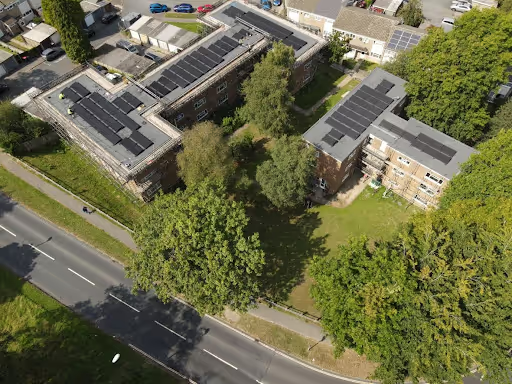
Electricity powers many devices in a modern home. Whether it’s kitchen appliances or heating and lighting, consumption varies. However, electricity generation can produce carbon emissions. If homeowners are planning to install solar panels in Haywards Heath, it is important to reduce emissions, as this supports the use of renewable energy.
Solar panels generate electricity from sunlight without burning fuel. This lets households use more renewable electricity and reduces their dependence on other sources. How to reduce carbon emissions?
How Can Solar Panels Help Reduce Carbon Emissions?
Generate Electricity Without Burning Fuel
Some power stations burn fuels such as natural gas and coal to generate electricity. This releases carbon dioxide. However, some panels work differently. They use sunlight to generate electricity, without using fuel. Although installing solar panels has an environmental impact, solar electricity produces fewer carbon emissions.
Reduce Reliance on Grid Electricity
A household has electricity needs throughout the day, from charging devices to running kitchen appliances and more. If solar panels are installed, some electricity can be used during the day.
So, using more solar power means drawing less electricity from the grid. This can reduce energy bills with increased reliance on solar power.
Supply Surplus Electricity to the Grid
A solar panel may generate more electricity than a household uses. Instead of wasting the extra power, homeowners can send the surplus electricity back to the national grid, if the system supports it.
This helps reduce the need for electricity from higher-carbon sources.
Can Battery Storage Further Reduce a Household’s Carbon Footprint?
Solar panels produce electricity during daylight, but households also need power in the evening. This creates a gap between generation and consumption. It limits how much solar electricity a home can use directly.
Battery storage offers a practical solution. Instead of exporting all surplus electricity, homeowners can store some of it for later use.
For instance, homeowners can store electricity generated in the afternoon and use it for household appliances, as required.
However, the environmental benefit depends on how the battery is charged and used, as battery manufacture also has a carbon footprint.
Do Solar Panels Have a Carbon Footprint of Their Own?
Solar panels do have an environmental impact before installation. Manufacturing the panels requires raw materials, energy and transportation, all of which produce emissions.
However, these emissions are generally outweighed by the lower-carbon electricity the panels generate throughout their working life.
Unlike fossil-fuel power generation, solar panels do not need a continuous supply of fuel. They can keep generating renewable electricity for decades, allowing their environmental benefits to accumulate over time.
What Affects the Carbon Savings from Solar Panels?
Not every household will achieve the same emissions reduction. Several practical factors affect how much renewable electricity a system generates.
Roof orientation, available sunlight and shading from nearby buildings or trees can affect electricity generation. System size also matters, as a smaller installation generally produces less electricity than a larger, well-positioned one.
Ready to Reduce Your Home’s Carbon Footprint?
For solar panel installation for your home, Blue Electric Contractors can be a trusted source. We provide professional help with panel installation, battery storage, and maintenance services. Be it hassle-free installation of solar panels in Haywards Heath to a free site survey, you can expect prompt help from our team. Contact us for adequate power assistance for your home and office.

Blue Electric
Electrical Services Company based in Crawley, West Sussex